
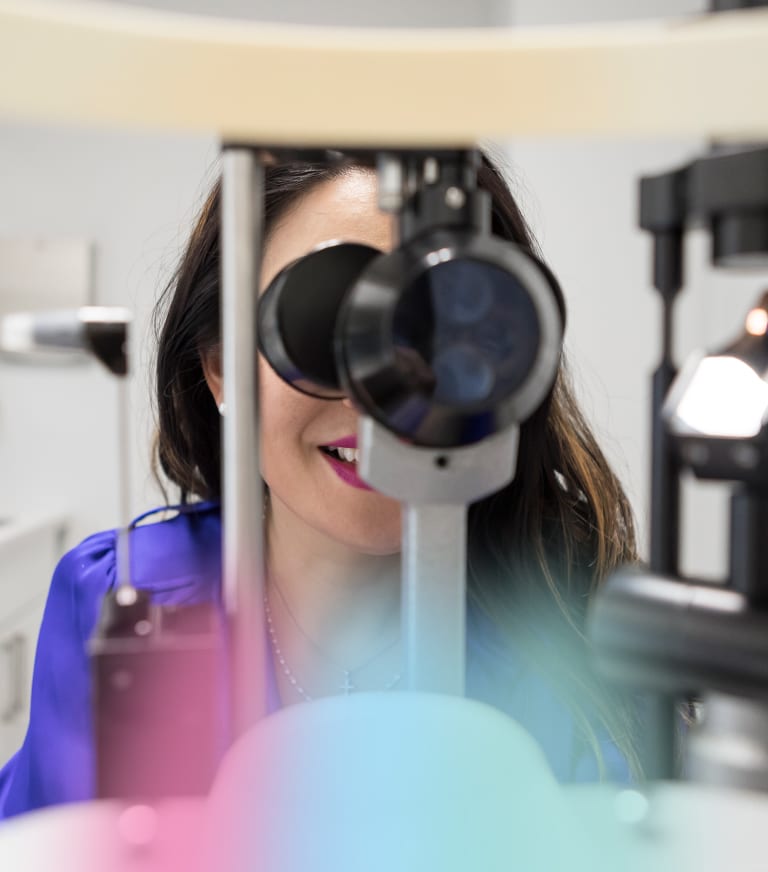

Eye exams are especially important as you age. The leading causes of blindness in the United States are age-related eye diseases like glaucoma and macular degeneration.
Many eye diseases have no symptoms during their early stages. By the time you notice changes in your vision, the damage is often irreversible. Regular eye exams are the most effective way to diagnose and treat eye diseases early, before your vision is impacted.
Regardless of your age, a thorough eye exam can catch the earliest signs of problems. During your exam at Luminance Vision, we evaluate your vision, eye health, and physical eye structures for any signs of irregularities. This allows us to diagnose disease early and begin treatment as soon as possible.
Who Is At Risk for Eye Diseases?
While eye disease can occur in individuals at any age and with any health status, there are some factors that are associated with an increased risk of eye diseases. These factors include:
- Age
- Living with diabetes, high blood pressure, or other chronic conditions
- Genetics, including a family history of eye disease
- High myopia prescription (above -6.00 D)
- Significant UV exposure
- Poor diet lacking in nutrients like vitamins A, C, E, zinc, lutein, and zeaxanthin
While each of these factors can increase your risk of developing an eye disease, not all diseases have a known cause. Whether or not you fall into an “at-risk” category, annual comprehensive eye exams are important. Your optometrist can provide more information specific to you.
Early Diagnosis
Through Our Technology
Early diagnosis of eye diseases can greatly improve the treatment options and outcomes. By detecting eye conditions during their early stages, we may be able to prevent vision loss by managing your condition appropriately and monitoring your eye health closely.
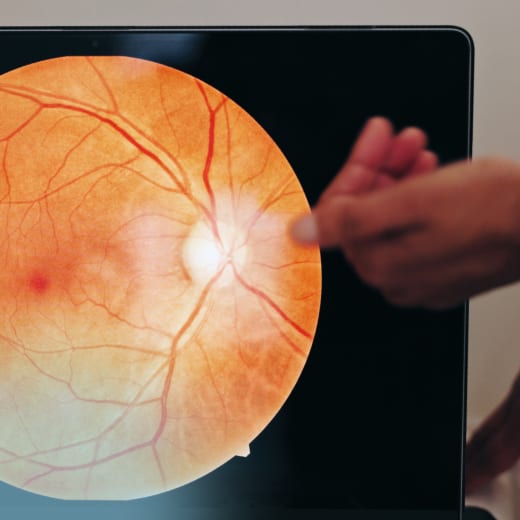
We use diagnostic technology to screen for various eye diseases during your comprehensive eye exam. These tests may include optical coherence tomography (OCT) scans, which map the layers of your eye; fundus photography, which captures pictures of the inside of your eye; a visual field analyzer, which measures your entire field of view; and a biomicroscope, which provides a close view of your eye structures.
Each device enhances our diagnostic capabilities to protect your long-term vision.
What Eye Diseases
Can Be Detected in an Eye Exam?
During an eye exam, we can detect any physical irregularities that could indicate eye diseases. We also monitor for subtle changes to your vision using technology, such as small changes to your peripheral vision and field of view that might otherwise go unnoticed.
Some of the more common diseases we look for include glaucoma, cataracts, macular degeneration, and diabetic retinopathy.
Cataracts are often a natural part of the aging process that causes the natural lens to become cloudy. As the lens becomes hazy, light can’t focus on the retina properly, causing blurry vision. Cataracts are quite common, but you shouldn’t let them interfere with your vision and activities.
In the early stages, cataracts can often be managed with a stronger prescription. Surgery is recommended when cataracts start to interfere with everyday tasks like reading and driving. We provide pre- and post-operation treatment and guidance.
Macular degeneration is the leading cause of severe vision loss in adults over 50. There are 2 types of macular degeneration, dry and wet, although the vast majority of patients have the dry form.
Dry macular degeneration occurs when protein deposits, called drusen, form under the macula and impede vision. This form of the disease typically develops slowly, and the main way to manage the disease is through lifestyle modifications like increasing your intake of certain nutrients and vitamins.
Wet macular degeneration progresses quickly and causes rapid vision loss. In the wet form, drusen are accompanied by blood and fluid leakage, which can lead to dramatic vision loss. The main treatment options for wet macular degeneration are laser therapy and injections.
Glaucoma is a group of eye diseases characterized by progressive damage to the optic nerve. This nerve is responsible for transmitting visual information from the eyes to the brain, so any damage can impact vision.
Glaucoma usually develops without symptoms and can slowly impair peripheral vision, which can go unnoticed without thorough monitoring. Comprehensive eye exams, which measure eye pressure, retinal and optic nerve health, and measure your visual field, are key to screening for signs of glaucoma.
Diabetic retinopathy is a complication of diabetes that can cause progressive damage to the retina. Diabetes can damage blood vessels throughout the body, including in the eyes. When the blood vessels in the retina are damaged, these vessels can leak blood and other fluids.
As the fluid collects, the retinal tissue swells, leading to cloudy/blurry vision and eventual vision loss. Treatment for diabetic retinopathy depends on the stage, but in the early stages, the primary defense is managing blood sugar levels. As the disease progresses, laser therapy and injections are other treatment options.
Comprehensive Eye Exams
Can Prevent Vision Loss
Maintaining a routine eye exam schedule can help you prevent avoidable vision loss from manageable conditions like glaucoma, diabetic retinopathy, and other eye diseases. Many of these conditions do not significantly impact vision during their early stages and, if caught early, can be managed through medications and regular monitoring.
By attending annual eye exams while your eyes are healthy, you allow your eye doctor to screen for eye diseases without noticeable symptoms. This can enable them to catch signs of disease before you realize your vision is impacted, leading to better outcomes and more preventable measures for treatment.
Protect your vision from the impacts of eye disease by booking comprehensive eye exams at least once per year. We look forward to providing thorough, compassionate eye care to you and your family.
Book AppointmentOur Services
Our Curated Eyewear Collection
Our Featured
Eyewear Lines









Browse Our Reviews
Visit Our Location in Lafayette
Our Address
Contact Information
- Phone: 925-900-8977
- Fax: 925-677-1118
- Email: emailus@luminancevision.com
Hours of Operation

luminancevision
Dry Eye Clinic, Expert Eyecare &
Eyewear Boutique

drmeifleming
Dr. Mei Fleming, OD
Dry Eye Doctor


About Us
Eye Care
Specialty Eye Care
Dry Eye Clinic
Eyewear Boutique
Luminance Vision Optometry
- 925-900-8977
- 925-677-1118
- emailus@luminancevision.com