


Dry eye disease is a chronic condition that causes uncomfortable symptoms, including dry, irritated, burning eyes. It is caused by an imbalance in the tear film.
The tear film is made of 3 layers: an oil layer, a water layer, and a mucus layer. The most common cause of dry eye is related to problems with the oil layer, which causes rapid evaporation of your tears.
Dry eye isn’t just uncomfortable. If left untreated, it can lead to more serious issues like infections or even damage to your cornea. The good news? You don’t have to live with the discomfort.
Dr. Fleming is a leader in the dry eye space, with significant experience in diagnosing dry eye and providing innovative treatments to relieve dry eye effectively. To experience relief from your symptoms, get started by booking a dry eye assessment.
What Are Symptoms of Dry Eye?
Dry eye has a variety of causes and symptoms, but most people with the condition will experience some of the following symptoms:
- Redness
- Burning or stinging eyes
- Scratchy or gritty sensations
- Feeling like something is in your eyes
- Tearing or excessively watery eyes
- Eye fatigue
- Blurred vision or light sensitivity
- Difficulty driving at night
- Discomfort wearing contact lenses
- Stringy mucus in or around your eyes

What Causes
Dry Eye?
There are 2 main underlying causes responsible for dry eye disease: aqueous deficiency and evaporative dry eye.
- Aqueous deficiency occurs when your eyes do not produce enough tears to stay moist and lubricated. It occurs in only about 10% of dry eye cases.
- Evaporative dry eye occurs when the oily layer of the tear film is lacking, allowing tears to evaporate too quickly. The most common reason for evaporative dry eye is meibomian gland dysfunction.
There are several contributing factors to evaporative dry eye that can be diagnosed by your optometrist. They include:
- Meibomian gland dysfunction (MGD), which refers to problems with the production of the oily layer of the tear film produced by the meibomian glands. It occurs in over 85% of evaporative dry eye cases.
- Blepharitis, which can be both a cause and an effect of MGD. It is chronic inflammation of the eyelids.
- Demodex, which refers to an infestation of Demodex mites that live in or near the hair follicles and oil glands, including the lash line.
Risk Factors
for Dry Eye
Some people are at a greater risk of developing dry eye than others. If you fit into the following categories, you may be more likely to suffer from dry eye disease:
- Age: Dry eye occurs naturally as we age. Most people over the age of 65 will experience symptoms of dry eye.
- Gender: Women are more likely to develop dry eye due to hormonal changes brought on by menopause, pregnancy, and birth control.
- Medications: A number of medications can decrease tear production, including antihistamines, decongestants, blood pressure medications, and antidepressants.
- Medical conditions: Autoimmune diseases like Sjogren’s syndrome, rheumatoid arthritis, and lupus can increase your risk for dry eyes.
- Contact lens use: Contact lenses can impact the distribution of tears over the eyes, although your optometrist can recommend specialty contacts if you have dry eyes.
- Laser eye surgery: Laser eye surgery, like LASIK, can interfere with tear production, although this side effect is often temporary.
How Is Dry Eye Diagnosed?
Dry eye can be diagnosed through a comprehensive eye exam or a dedicated dry eye assessment.
Both eye exams and dry eye assessments begin with a health history. When you are suffering from dry eye, this information becomes especially important. We will ask you questions about your lifestyle and your environment to rule out any serious eye conditions.
We’ll assess your risk factors and determine the likely cause of your dry eye disease. We use a slit lamp biomicroscope and meibography to examine the health of your tear film and meibomian glands, and measure your tear evaporation time.
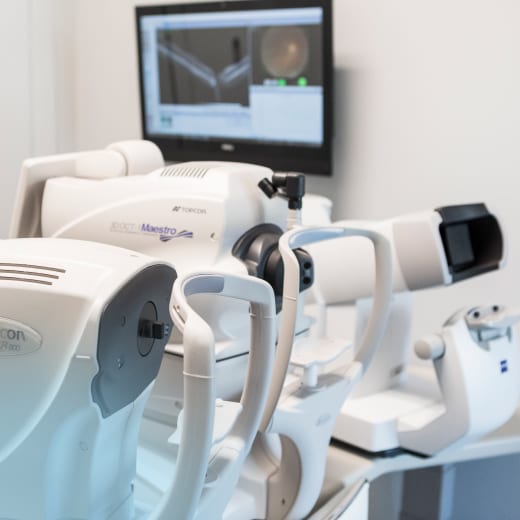
Dry Eye Treatment Options
at Luminance Vision
During your in-depth dry eye exam, we will work to identify the root causes of your symptoms and develop a personalized treatment plan to provide you with long-lasting relief. For some, your plan may involve a combination of different treatments.
Our targeted treatment methods make use of modern technology to find the most effective options for soothing your symptoms and bringing you relief. Our treatments include IPL, radiofrequency, blepharo exfoliation, amniotic membrane therapy, serum tears, and more.
We provide energy-based treatments, including intense pulsed light (IPL) therapy, radiofrequency (RF) treatment, and LED light therapy.
IPL therapy uses light energy to gently warm the eyelids and melt oil blockages in the meibomian glands. It also targets inflammation.
Radiofrequency treatments use energy waves to gently heat the eyelids, unclog oil blockages, and stimulate natural oil and collagen production.
LED light therapy promotes healing, improves blood circulation, and reduces inflammation. This helps to reduce the symptoms caused by dry eye and can restore tear production to healthier levels.
Beyond energy-based treatments, we also offer other in-office procedures that target the root causes of dry eye.
We provide meibomian gland expression, which uses a gentle massage to manually clear oil blockages and restore healthy tear production.
We use Blepharo Exfoliation to cleanse the eyelids and clear any plaque or debris from the eyelids for those with blepharitis and Demodex.
As well, we offer punctal plugs, amniotic membrane therapy, and serum tears therapy to reduce your symptoms and improve your overall comfort.
For some, medicated eye drops and oral medications can improve their symptoms by targeting the root cause of their dry eye. This may include anti-inflammatory medications and immunomodulators.
At-home treatments can help you relieve your dry eye symptoms quickly. For mild dry eye, at-home treatments may be sufficient to keep your eyes comfortable. For more significant dry eye, at-home treatments can help to relieve acute symptoms in conjunction with in-office procedures or medications.
A warm, moist compress, artificial tears, or preservative-free eye drops can provide relief, adding moisture and melting blockages for enhanced oil flow to temporarily soothe discomfort.
Dry Eye Questionnaire
Find Relief
from Your Dry Eye Symptoms
At Luminance Vision, we strive to provide relief from your dry eye struggles. We take the time to understand what’s causing your symptoms, so we can create a treatment plan that brings real, lasting relief. Through innovative treatment methods, such as IPL and LED light therapy, we can help address the underlying cause of your dry eye.
Contact us to book your appointment today and find your dry eye solution with our team.
Book AppointmentFrequently Asked Questions
About Dry Eye
Chronic dry eye does not go away, but it can be managed through tailored treatments that keep your eyes moist and comfortable.
If you’re experiencing any eye discomfort, you should visit your optometrist. They can screen for different causes of your dry eye and rule out any other conditions that might be contributing to your discomfort. Following an evaluation, you can receive a treatment plan to relieve your symptoms.
Eye doctors can assess your eyes, tear film, and meibomian glands to determine the cause of your symptoms. Then, they can provide a personalized treatment plan based on your symptoms, lifestyle, and preferences.
Screens can exacerbate existing dry eye disease or cause similar symptoms. If you’re noticing eye strain after using digital devices, it’s a good idea to discuss it with your optometrist. They can determine whether dry eye is at play and how to relieve your discomfort.
The most common cause of dry eye is meibomian gland dysfunction (MGD). The meibomian glands are tiny oil-producing glands that line the eyelid margin. When they are not functioning properly, due to oil buildup or inflammation, evaporative dry eye can result.
Our Services
Our Curated Eyewear Collection
Our Featured
Eyewear Lines








Browse Our Reviews
Visit Our Location in Lafayette
Our Address
Contact Information
- Phone: 925-900-8977
- Fax: 925-677-1118
- Email: emailus@luminancevision.com
Hours of Operation

luminancevision
Dry Eye Clinic, Expert Eyecare &
Eyewear Boutique
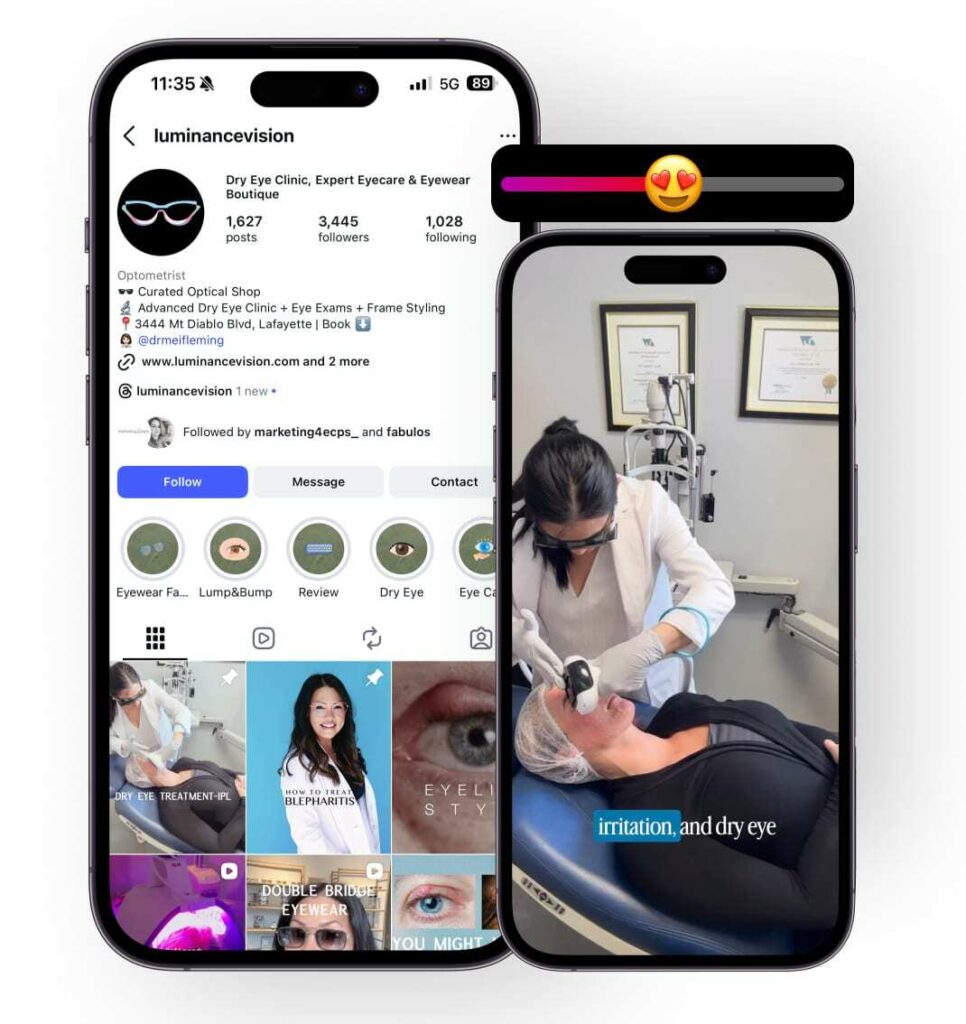

drmeifleming
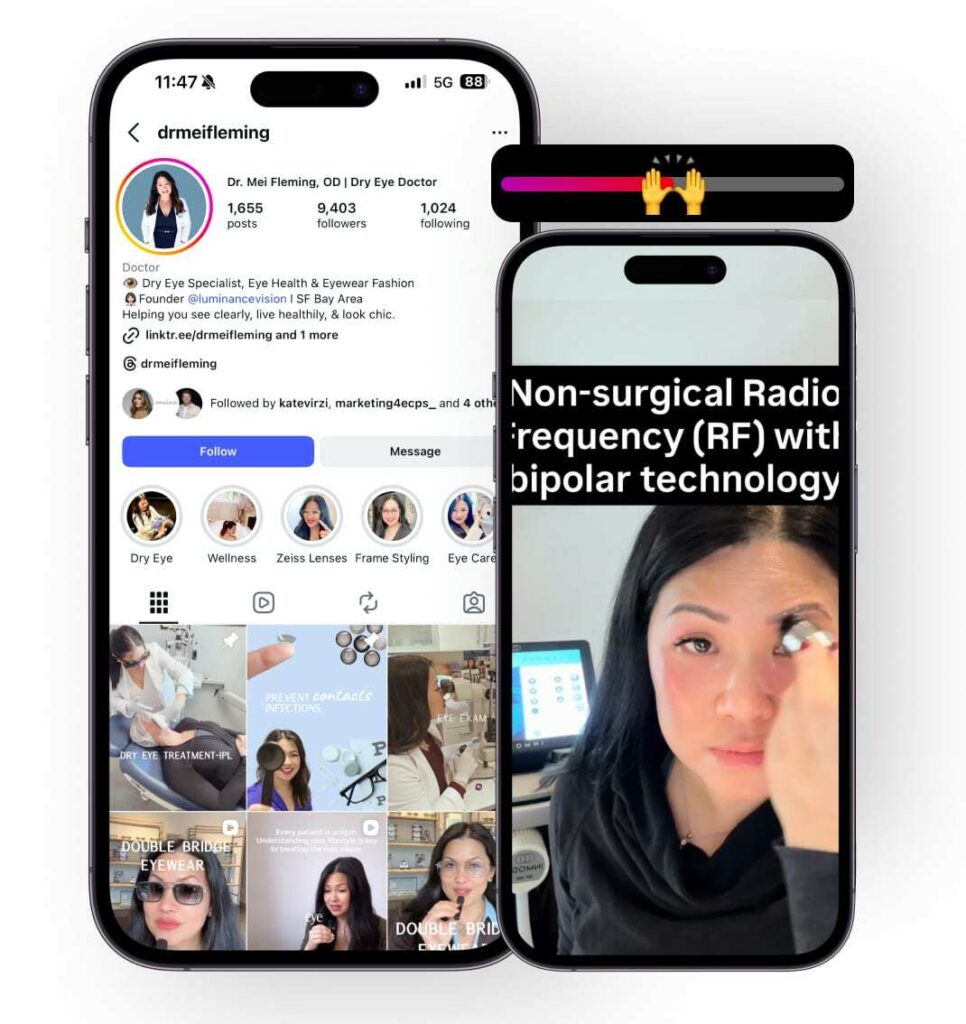
Dr. Mei Fleming, OD
Dry Eye Doctor


About Us
Eye Care
Specialty Eye Care
Dry Eye Clinic
Eyewear Boutique
Luminance Vision Optometry
- 925-900-8977
- 925-677-1118
- emailus@luminancevision.com